Traditional landscaping often focuses on appearance first and maintenance later. A perfectly green lawn, decorative plants, and seasonal flowers may create an attractive outdoor space, but they can also require large amounts of water, fertilizer, chemicals, and regular upkeep. As homeowners become more aware of environmental concerns and rising maintenance costs, sustainable landscaping is becoming a practical solution for creating beautiful outdoor areas that are easier to manage.
Sustainable landscaping is not about making a yard look less attractive or removing all plants. Instead, it focuses on smart design choices that work with local conditions, conserve natural resources, and reduce unnecessary maintenance. By selecting the right plants, improving soil health, managing water efficiently, and using durable materials, homeowners can create outdoor spaces that remain functional and appealing throughout the year.
What Is Sustainable Landscaping?
Sustainable landscaping is an approach to outdoor design that reduces environmental impact while improving the usability and long-term health of a property. It combines landscape planning, water management, plant selection, and maintenance strategies to create a balanced outdoor environment.
A sustainable landscape usually aims to:
- Reduce water consumption
- Minimize chemical use
- Improve soil quality
- Support local wildlife
- Lower maintenance requirements
- Prevent erosion and water waste
- Create healthier outdoor spaces
Unlike traditional landscaping methods that often depend on constant watering and frequent maintenance, sustainable designs focus on creating systems that naturally require fewer resources.
Start With Smart Landscape Planning
One of the biggest mistakes homeowners make is adding plants and features without considering how the outdoor space naturally behaves. Before making improvements, it is important to study the property.
Important factors include:
- Sunlight exposure
- Soil type
- Drainage patterns
- Local climate conditions
- Existing plants
- Water availability
- Outdoor usage needs
For example, a sunny area with dry soil may not be suitable for plants that require frequent watering. Choosing vegetation that matches existing conditions reduces future maintenance problems.
A well-planned landscape also considers how people use outdoor areas. A family yard, a small urban garden, and a large property will require completely different approaches.
Choose Native and Climate-Friendly Plants
Plant selection is one of the most important parts of sustainable landscaping. Native plants are naturally adapted to local weather, soil conditions, and rainfall patterns. Because they already suit the environment, they usually require less water and maintenance compared to imported species.
Benefits of native plants include:
- Better drought resistance
- Lower watering needs
- Improved support for local insects and birds
- Reduced need for fertilizers
- Greater survival during seasonal changes
Homeowners do not need to completely replace existing gardens with native plants. Even adding climate-friendly plants in specific areas can reduce water usage and create a more balanced landscape.
For regions with hot summers or limited rainfall, drought-resistant plants can provide color and structure without demanding constant irrigation.
Reduce Traditional Lawn Areas
Large grass lawns are common in residential properties, but they often require significant resources. Regular mowing, watering, fertilizing, and weed control can increase both environmental impact and maintenance costs.
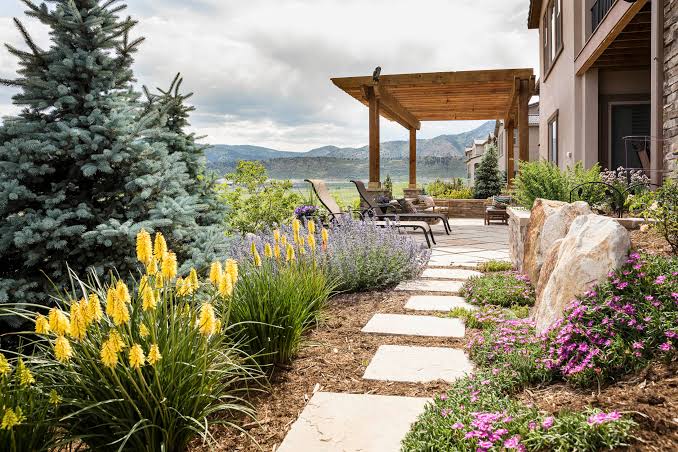
Reducing unnecessary lawn areas does not mean removing all grass. Instead, homeowners can redesign outdoor spaces by combining different elements, such as:
- Ground covers
- Decorative grasses
- Flower beds
- Trees and shrubs
- Gravel pathways
- Outdoor living areas
A smaller lawn combined with other landscape features can create a more interesting design while reducing water consumption and weekly maintenance work.
Improve Soil Health Naturally
Healthy soil is the foundation of a sustainable landscape. Poor soil can prevent plants from growing properly and increase the need for additional water and fertilizers.
Improving soil quality can involve:
- Adding compost
- Using organic mulch
- Reducing soil compaction
- Encouraging natural microorganisms
Compost improves soil structure by helping it retain moisture and nutrients. This means plants can access water more effectively, reducing the need for frequent irrigation.
Mulch is another valuable improvement. A layer of organic mulch around plants helps reduce evaporation, control weeds, and maintain stable soil temperatures.
Install Efficient Irrigation Systems
Water management plays a major role in sustainable landscaping. Many traditional irrigation systems waste water by spraying areas where it is not needed or operating during inefficient times of the day.
Modern irrigation improvements include:
Drip Irrigation
Drip irrigation delivers water directly to plant roots, reducing evaporation and runoff. It is especially useful for gardens, shrubs, and planted areas.
Smart Irrigation Controllers
Smart irrigation systems use weather information, soil moisture data, and plant requirements to adjust watering schedules automatically.
These systems can help prevent overwatering by reducing irrigation during rainy periods and increasing watering during dry conditions.
Rainwater Collection
Rainwater harvesting allows homeowners to collect water from roofs and use it for landscaping. This reduces dependence on treated water supplies and provides a sustainable source for gardens.
Create Low-Maintenance Outdoor Features
Sustainable landscaping is also about reducing the amount of time and resources required to maintain a property.
Low-maintenance improvements may include:
- Permeable walkways
- Native plant gardens
- Rock gardens
- Automated irrigation
- Durable outdoor materials
- Strategic tree placement
For example, placing shade trees correctly can reduce heat around outdoor areas and even help lower cooling demands inside a home.
Outdoor spaces should be designed to work naturally rather than requiring constant correction.
Use Sustainable Hardscaping Materials
Landscaping is not only about plants. Hardscape elements such as patios, walkways, and retaining walls also influence sustainability.
Traditional solid surfaces can increase water runoff and contribute to drainage problems. Sustainable alternatives include:
- Permeable pavers
- Recycled materials
- Natural stone
- Gravel paths
Permeable surfaces allow rainwater to move into the soil instead of quickly flowing away. This helps reduce flooding risks and supports healthier ground conditions.
Support Local Wildlife and Biodiversity
A sustainable landscape can become a valuable environment for birds, pollinators, and beneficial insects.
Simple improvements include:
- Planting flowers that attract pollinators
- Adding native shrubs for shelter
- Avoiding unnecessary pesticides
- Creating small habitat areas
A diverse landscape is usually stronger because different plants and organisms work together to maintain balance.
Common Sustainable Landscaping Mistakes
Even well-intentioned improvements can create problems if they are poorly planned.
Common mistakes include:
Choosing Plants Based Only on Appearance
A beautiful plant that does not match the local climate may require excessive watering and maintenance.
Installing Irrigation Without Proper Design
A poorly designed irrigation system can waste more water than it saves.
Removing All Existing Vegetation
Not every old plant needs replacement. Some mature trees and shrubs provide valuable shade and environmental benefits.
Ignoring Soil Conditions
Adding expensive plants without improving poor soil can lead to disappointing results.
The Future of Sustainable Landscaping
Technology and environmental awareness are changing how homeowners design outdoor spaces. Future landscaping solutions may include AI-based garden planning tools, advanced irrigation systems, automated lawn care equipment, and sensors that monitor soil and plant health.
As water conservation becomes more important, sustainable landscaping will continue to move from a niche interest to a standard approach for residential and commercial properties.
Final Thoughts
Sustainable landscaping improvements allow homeowners to create attractive outdoor spaces while reducing water usage, maintenance demands, and environmental impact. The best landscapes are not simply designed to look good; they are designed to function efficiently with nature.
By choosing suitable plants, improving soil, using smart irrigation, and planning outdoor features carefully, homeowners can enjoy healthier gardens that require less effort and fewer resources. Sustainable landscaping is not only an environmental choice but also a practical investment that can improve comfort, property value, and long-term savings.
About the Author