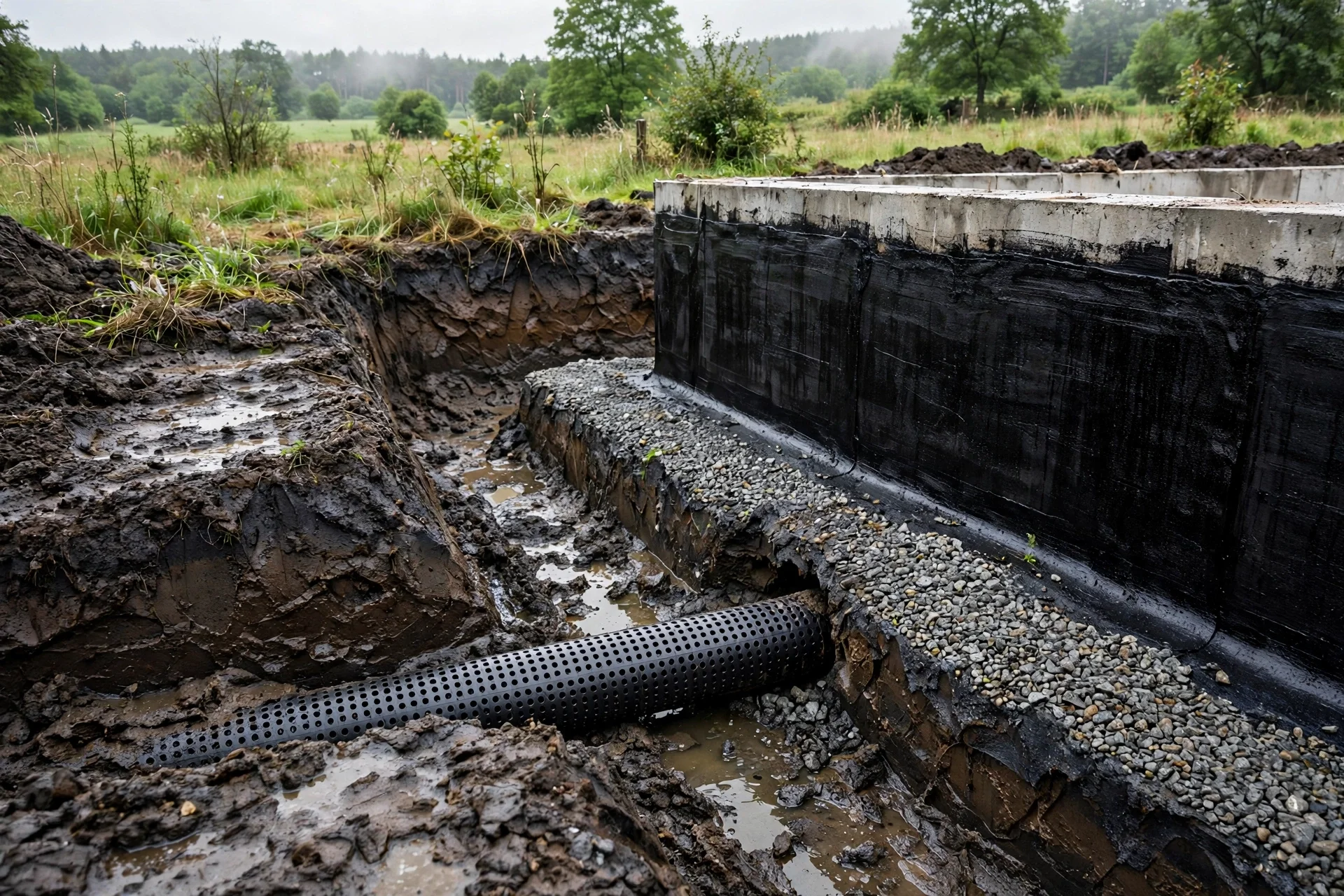
The best foundation protection for homes with seasonal groundwater changes is a layered system: surface grading that sheds rain, an exterior waterproof membrane with a drainage board, a perimeter drain tile that carries water to a sump pump, and a sump system with battery backup. No single product handles a rising water table on its own. The methods work together so that when groundwater rises in the wet season, water is intercepted before it reaches the wall, drained away from the footing, and pumped out before pressure can build.
Seasonal groundwater is a moving target. In many regions the water table sits well below the footing in summer and rises to the level of the basement floor — or above it — after spring snowmelt or weeks of heavy rain. Each cycle pushes water against the foundation, swells clay soil, and then lets the soil shrink and pull away as it dries. Homes in these areas do not need one dramatic fix; they need a system that manages water in both the wet and the dry season, year after year.
Seasonal Groundwater Swings and What They Do to Foundations
Groundwater rises and falls with the seasons because soil absorbs rain and snowmelt faster than it drains. In spring, saturated soil presses against foundation walls with hydrostatic pressure — the force of water trying to find level. That pressure pushes moisture through the tiny pores of concrete, widens hairline cracks, and can bow a wall inward over time. In clay soils the effect is stronger: wet clay swells and can exert thousands of pounds of lateral pressure per square foot against a wall, then shrinks in dry weather and leaves gaps under footings that invite settlement.
The visible signs usually appear slowly: a horizontal crack midway up a basement wall, stair-step cracks in block foundations, a floor slab that heaves slightly in spring, or a musty smell that returns every wet season. Doors and windows that stick in spring and free up in summer suggest the foundation is moving with the soil. None of these signs means the house is failing, but all of them mean the water around the foundation is not being managed.
How Does Rising Groundwater Press Against a Foundation?
Hydrostatic pressure builds whenever water accumulates against a foundation faster than it can drain away. Imagine the soil around your home as a sponge: when it is saturated, the water in it presses equally in all directions, including sideways against the wall and upward against the slab. The deeper the water table rises, the greater the pressure at the footing, because pressure increases with depth. A basement floor sitting below the seasonal high water table is effectively the bottom of a swimming pool, and only the waterproofing and drainage system keeps it dry.
Soil type controls how fast that pressure builds. Sandy soils drain quickly and relieve pressure on their own, while clay soils hold water like a bowl and transmit the full force to the wall. Expansive clays make the cycle worse because they swell when wet and shrink when dry, so the foundation is loaded in spring and unloaded in summer, repeating the stress every year. That is why two houses on the same street can have very different foundation problems — the soil under each one behaves differently, and the protection system has to match the soil.
Grading and Surface Drainage That Move Water Away First
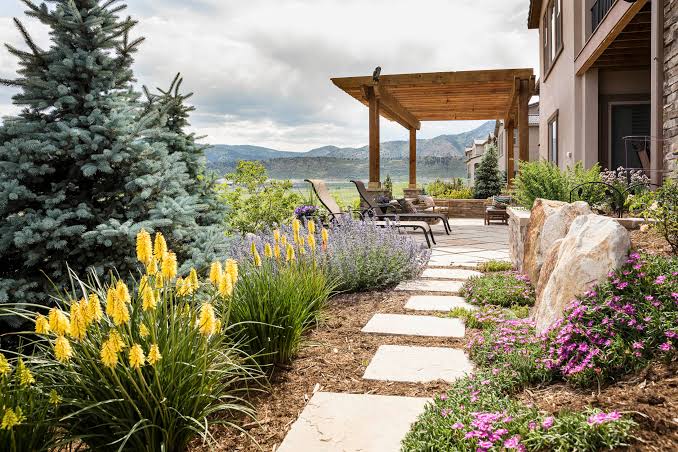
The cheapest and most effective foundation protection is keeping surface water away from the house in the first place. Soil should slope away from the foundation at roughly six inches of fall over the first ten feet, so rain runs outward instead of pooling against the wall. Where the lot is flat or slopes toward the house, a shallow swale — a broad, grassed channel — can intercept runoff and carry it around the home. Gutters and downspouts matter just as much: every downspout should discharge at least ten feet from the foundation through a solid pipe or extension, never onto soil beside the wall.
Surface drainage is the first layer because it reduces the volume of water the deeper systems must handle. A home with good grading and working gutters may never load its drain tile at all in a normal storm. Conversely, a home with a perfect membrane but flat grading and short downspouts will fight a losing battle every time it rains, because the waterproofing is handling water that should never have arrived. Walk the property during a heavy rain at least once a year and watch where the water actually goes — the answer is often surprising.
- Regrade soil to fall at least six inches over the first ten feet from the wall.
- Extend every downspout ten feet or more from the foundation with solid pipe.
- Build a shallow swale to redirect runoff around the house where grading is limited.
- Keep window wells clean, covered, and drained so they do not become ponds.
- Direct driveway and patio runoff away from the foundation, not toward it.
Exterior Waterproof Membranes and Drainage Boards
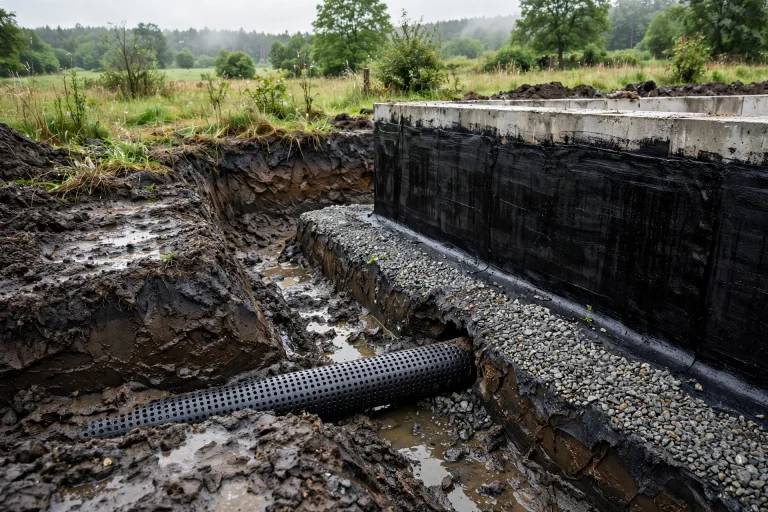
When the foundation is accessible from outside — during construction or an excavation repair — an exterior waterproof membrane is the strongest barrier available. Elastomeric membranes, applied as a liquid or self-adhered sheet, bond to the concrete and bridge hairline cracks, stopping water before it enters the wall. A dimpled drainage board goes over the membrane: the dimples create a gap that lets water drain down to the footing drain instead of pressing against the wall, and the board protects the membrane from backfill damage.
The membrane-and-board combination matters most in high-water-table and clay-soil areas, where hydrostatic pressure is highest. The system is expensive to retrofit because it requires excavating around the foundation, so it is usually done when the house is built or when another major repair already requires digging. When it is done, it should extend from the footing to above finished grade, with all seams lapped and sealed, because a single gap at a pipe penetration or a corner can undo the whole barrier.
Interior Drain Tile and Sump Systems for High-Water-Table Homes
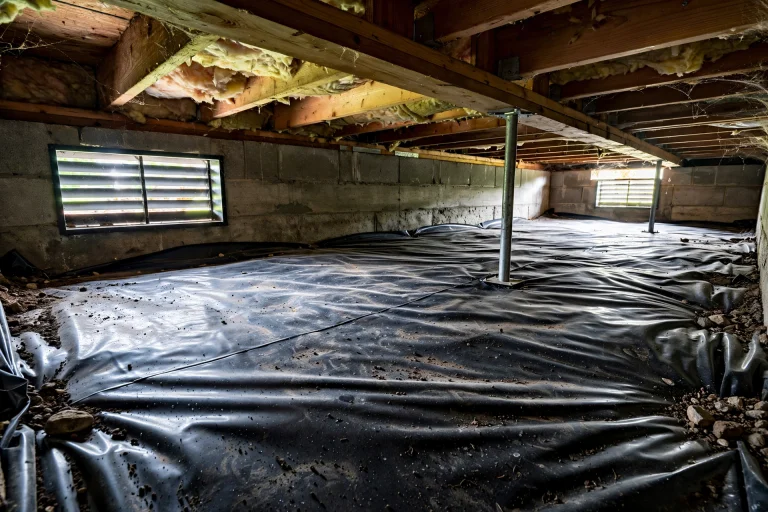
For an existing home, an interior drain tile system is usually the most practical way to control seasonal groundwater. A channel is cut around the inside perimeter of the basement floor, perforated pipe is laid in gravel, and the floor is patched over it. Groundwater that rises under the slab enters the pipe and flows to a sump pit, where a pump discharges it outside, well away from the house. The system does not stop water from rising — it gives the water a controlled path out before pressure builds under the floor.
The sump pump is the heart of the system, and it needs backup. A primary pump with a battery-powered secondary pump covers power outages, which often arrive with the same storms that raise the water table. A water-powered backup pump is another option where municipal water pressure is reliable. Test the pump every few months by pouring water into the pit, clean the pit annually, and fit an alarm that sounds when the water level rises too high. A sump system that has never been tested is a system you cannot rely on.
Foundation Repair Options When Seasonal Movement Has Already Cracked Walls
When seasonal groundwater has already caused settlement or wall movement, drainage alone does not fix the damage. Helical piers and push piers are steel supports driven through weak surface soil to stable bearing layers below, then attached to the footing to stabilize or lift the foundation. They are the standard repair for a home that has settled unevenly because shrinking clay left voids under the footing. The work is done from outside or through small excavations, and a structural engineer should design the pier layout.
Bowing or cracking walls need a different repair. Carbon fiber straps bonded to the inside face of the wall can stop a wall from moving further inward, and they work well for early-stage bowing in poured concrete or block walls. Steel I-beams braced against the floor joists are stronger and suit walls that have moved further. Wall anchors, which tie the wall to stable soil outside through a steel plate, can sometimes pull a wall back toward plumb. The right choice depends on how far the wall has moved and what caused it — a foundation specialist should measure the deflection before recommending a repair.
A Seasonal Maintenance Calendar for Groundwater-Prone Homes
Foundation protection is not a one-time project; it is a routine. In early spring, before snowmelt and heavy rain, clean the gutters, test the sump pump, and check the grading for soil that has settled against the wall. In summer, watch for gaps opening between the soil and the foundation and fill them so the next rain does not pour straight down the wall face. In autumn, clear leaves from gutters and drains and check the sump discharge line for freezing risk. In winter, keep the discharge line clear of ice and snow so the pump can run during a thaw.
Record what you do and what you see. A photo of the same basement wall corner every spring shows whether a crack is growing or stable, and that record is exactly what a foundation engineer wants at the first consultation. Small, consistent attention costs almost nothing and catches most groundwater problems while they are still cheap to fix.
- Spring: test the sump pump, clean gutters, inspect grading and window wells.
- Summer: fill soil gaps at the foundation, check for new cracks, service the dehumidifier.
- Autumn: clear gutters and drains, verify downspout extensions, insulate the discharge line.
- Winter: keep the sump discharge clear of ice, watch for frost heave at the footing.
Final Thoughts: Protecting a Foundation Through Wet and Dry Seasons
Seasonal groundwater does not damage a foundation in a single storm — it works slowly, one wet-dry cycle at a time. The homes that survive it best are the ones with layers: grading that sheds surface water, a membrane and drainage board that shield the wall, drain tile that relieves pressure, and a sump pump with backup that removes what gets through. Build those layers, maintain them on a seasonal rhythm, and call in a structural engineer at the first sign of movement rather than the tenth. The cost of prevention is always smaller than the cost of repair.
Foundation Protection Against Seasonal Groundwater: FAQs
How do I know if my home has a seasonal groundwater problem?
Watch for patterns tied to the seasons: dampness or seepage that appears in spring and disappears in summer, cracks that widen in wet months, a sump pump that runs constantly after snowmelt, or efflorescence on basement walls. A water table that rises to the basement floor level in the wet season is the clearest sign.
Is an interior drain tile system enough on its own?
For many existing homes, yes — a properly installed interior drain tile with a reliable sump pump controls groundwater effectively. It works best when combined with good grading and downspout extensions, because reducing the water that reaches the foundation lowers the load on the whole system.
How often should a sump pump be replaced?
A primary sump pump typically lasts around seven to ten years with regular use, though heavy use in a high-water-table home can shorten that. Test it quarterly, keep a spare on hand, and replace it at the first sign of sluggish performance, unusual noise, or frequent cycling rather than waiting for a failure during a storm.
Can grading alone protect a foundation from groundwater?
Grading controls surface water, which is a large part of the problem, but it cannot stop groundwater rising from below. In areas where the water table rises to the footing, grading must be combined with a drain tile and sump system or an exterior membrane to handle water that comes from underneath.
When should I call a structural engineer about foundation movement?
Call one when you see horizontal cracking, stair-step cracks in block walls, a wall bowing inward, doors and windows sticking seasonally, or a crack that is growing between inspections. An engineer can measure movement, identify the cause, and specify a repair — a contractor’s sales visit is not a substitute for that assessment.
About the Author