A home can look perfectly clean, comfortable, and well-maintained from the outside while hiding serious problems behind walls, ceilings, floors, and other areas that are not easy to inspect. Many homeowners only discover these issues when there are visible signs such as water stains, strange smells, rising energy bills, damaged walls, or expensive repair needs.
Hidden home problems are often more dangerous because they develop slowly. A small leak, poor insulation, electrical issue, or structural weakness may remain unnoticed for months or even years. By the time the problem becomes obvious, the repair cost can be much higher than early prevention.
Understanding what can happen behind the walls helps homeowners make better maintenance decisions, protect their investment, and avoid unexpected renovation expenses.
Why Hidden Home Problems Are Difficult to Detect
Most homeowners naturally focus on areas they can see and use every day. They clean floors, paint walls, maintain gardens, and repair visible damage. However, many important parts of a house are hidden from daily view.
Inside walls and underneath floors, homes contain:
- Electrical wiring
- Plumbing pipes
- Insulation materials
- Structural supports
- Ventilation systems
- Moisture barriers
- Pest entry points
These systems work quietly in the background. Problems often begin without obvious warning signs. A small amount of moisture behind drywall may not create immediate damage, but over time it can lead to mold growth, weakened structures, and unhealthy indoor air.
Regular inspections and awareness of warning signs are important because prevention is usually much cheaper than major repairs.
Water Leaks That Damage Homes Slowly
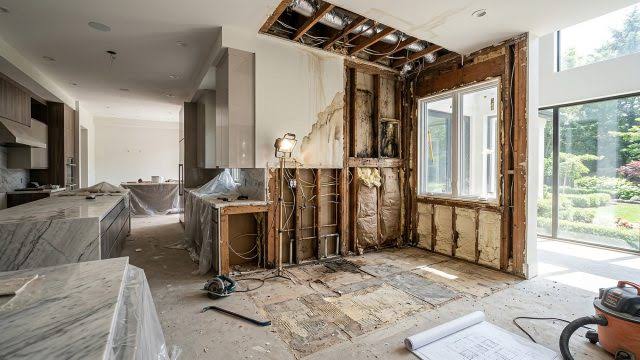
Water is one of the biggest causes of hidden home damage. A leaking pipe inside a wall may continue for a long time before creating a visible problem.
Common hidden water issues include:
- Leaking bathroom pipes
- Damaged plumbing connections
- Roof leaks entering wall cavities
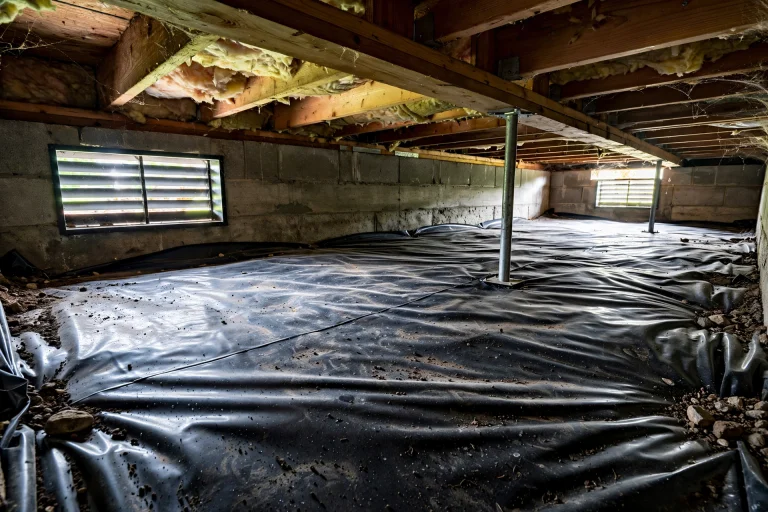
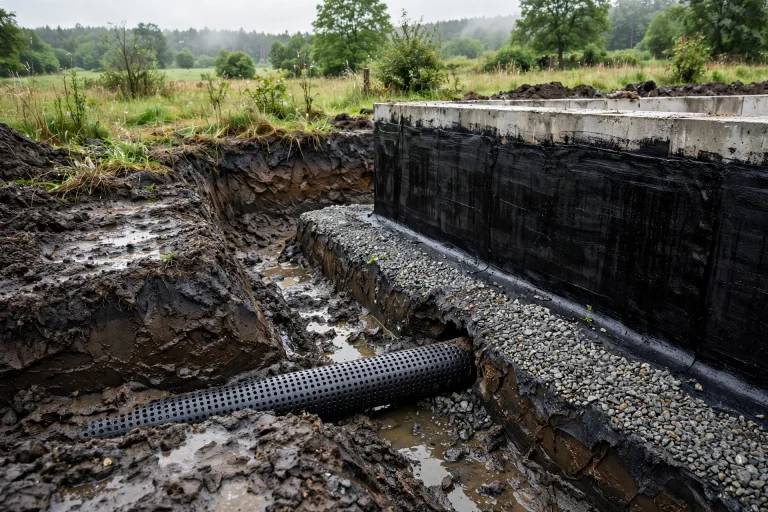
- Poor drainage around foundations
- Condensation problems inside walls
A small leak can damage insulation, wooden structures, flooring, and electrical components. In some cases, homeowners notice the problem only after seeing peeling paint, swollen walls, or a musty smell.
Some early signs of hidden water damage include:
- Unexplained increases in water bills
- Damp or cold areas on walls
- Discoloration or stains
- Mold growth
- Warped flooring
- Persistent unpleasant odors
Investigating these signs early can prevent larger restoration projects later.
Electrical Problems Hidden Behind Walls
Electrical systems are another area where hidden problems can create serious risks. Wiring is usually installed inside walls, meaning homeowners cannot easily see its condition.
Older homes may have outdated electrical systems that are unable to handle modern appliances and technology. Damaged wiring, loose connections, or incorrect installations can create overheating issues.
Warning signs of electrical problems include:
- Flickering lights
- Burning smells near outlets
- Frequently tripped breakers
- Warm switches or sockets
- Buzzing sounds from electrical fixtures
Electrical issues should never be ignored. A professional electrician can inspect wiring systems and identify problems before they become safety hazards.
Poor Insulation and Energy Loss
Many homes lose energy because of insulation problems that are hidden from view. Walls may contain insufficient, damaged, or incorrectly installed insulation.
Poor insulation can cause:
- Higher heating and cooling costs
- Uneven room temperatures
- Increased pressure on HVAC systems
- Reduced indoor comfort
A home with insulation issues may feel too hot during summer and too cold during winter, even when heating or cooling systems are working properly.
Modern inspection methods, such as thermal imaging cameras, can help identify areas where heat is escaping without opening walls unnecessarily.
Mold Growth in Hidden Areas
Mold does not always appear on visible surfaces. It can grow behind drywall, under flooring, inside ceilings, and around plumbing areas where moisture exists.
Hidden mold can affect indoor air quality and may cause unpleasant odors and discomfort for residents.
Conditions that encourage mold growth include:
- Excess moisture
- Poor ventilation
- Water leaks
- High humidity levels
- Flood damage
Preventing mold starts with controlling moisture. Fixing leaks, improving ventilation, and maintaining proper humidity levels can reduce the risk.
Pest Damage Inside Walls
Some pests can cause significant damage without being noticed immediately. Termites, rodents, and other insects often enter hidden spaces where they can damage important parts of a home.
For example, termites can weaken wooden structures from the inside, while rodents may damage insulation and electrical wiring.
Possible signs of hidden pest activity include:
- Small holes in walls
- Unusual scratching sounds
- Droppings
- Damaged wood
- Doors or windows becoming difficult to open
Regular inspections are especially important in areas where certain pests are common.
Foundation and Structural Issues
Structural problems are among the most expensive hidden issues a homeowner can face. Foundation movement, moisture damage, and poor construction practices can slowly affect the stability of a home.
Early signs may include:
- Cracks around doors and windows
- Uneven floors
- Gaps between walls and ceilings
- Doors that no longer close properly
- Expanding wall cracks
Not every crack means a serious structural problem, but unusual changes should be evaluated before they become more complicated.
The Importance of Professional Home Inspections
A professional home inspection provides a deeper look at areas homeowners may not notice. Inspectors examine important systems and identify potential concerns before they become major repairs.
A detailed inspection may include:
- Roof condition
- Plumbing systems
- Electrical components
- Structural elements
- Ventilation
- Insulation
- Moisture detection
Home inspections are especially valuable before purchasing a property, but they can also help existing homeowners understand the condition of their house.
How Homeowners Can Prevent Hidden Problems
While some problems are unavoidable, regular maintenance can reduce many risks.
Helpful steps include:
- Check plumbing fixtures regularly for leaks
- Monitor unusual smells or sounds
- Maintain gutters and drainage systems
- Schedule periodic inspections
- Keep humidity levels controlled
- Address small repairs quickly
- Understand the age of major home systems
A proactive approach protects both the comfort and value of a property.
Final Thoughts
The most expensive home problems are often the ones homeowners cannot see. Damage behind walls, beneath floors, or inside ceilings can develop quietly until repairs become unavoidable.
A well-maintained home is not only about appearance. True home care involves understanding the hidden systems that keep a property safe, efficient, and comfortable.
By paying attention to early warning signs, investing in inspections, and handling small issues before they grow, homeowners can prevent costly surprises and protect their homes for many years.
About the Author